


What Is Scoliosis?
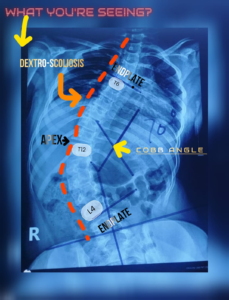
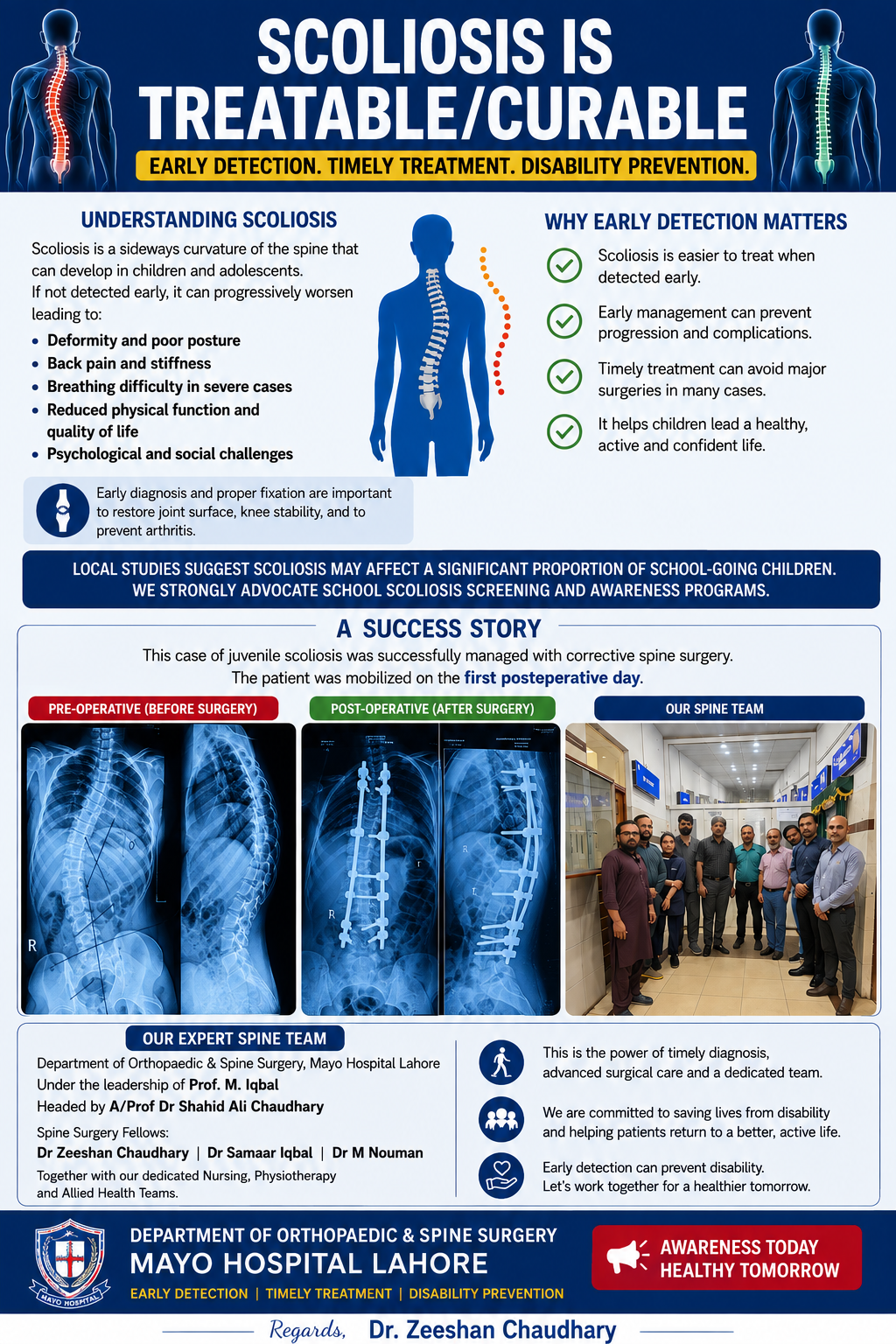
Scoliosis is a three-dimensional deformity of the spine in which the backbone curves sideways while also rotating. Although scoliosis can affect people of all ages, it most commonly develops during childhood and adolescence, particularly during periods of rapid growth.
One of the biggest challenges with scoliosis is that many children experience little or no pain during the early stages. As a result, the condition often remains unnoticed unless active screening is performed.
When detected early, scoliosis can often be managed successfully, helping prevent severe spinal deformity, disability, and more complex surgical procedures.
Why Early Screening Matters
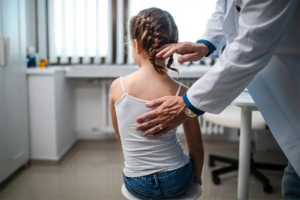
School-aged children should be screened regularly because spinal curves may progress rapidly during periods of growth.
Early diagnosis allows timely treatment through:
- Regular observation and monitoring
- Physiotherapy
- Spinal bracing when appropriate
- Corrective surgery before severe deformity develops
Early intervention generally provides several important benefits, including:
- Better spinal correction
- Safer surgical outcomes when surgery is required
- Improved long-term quality of life
- Reduced risk of permanent deformity
Recognizing the Warning Signs
Parents, teachers, and caregivers should be aware of the early signs of scoliosis.
Common warning signs include:
- Uneven shoulders
- One shoulder blade appearing more prominent than the other
- Uneven waistline
- Leaning to one side
- Rib prominence while bending forward
- Clothes fitting unevenly
If any of these signs are noticed, the child should be evaluated promptly by an orthopedic spine specialist.
The Importance of Community Screening Programs
Community awareness and school screening programs are powerful tools for reducing disability caused by scoliosis.
Early detection depends on the combined efforts of:
- Parents
- Teachers
- School health staff
- Primary care physicians
- Orthopedic specialists
Regular school screening camps, educational campaigns, and timely referral pathways help identify affected children before significant spinal progression occurs, allowing treatment at the most appropriate stage.
Real Case from Our Spine Surgery Series
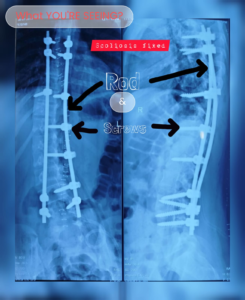
This case demonstrates severe juvenile scoliosis successfully treated with corrective spine surgery.
The treatment involved:
- Careful pre-operative planning
- Modern spinal instrumentation
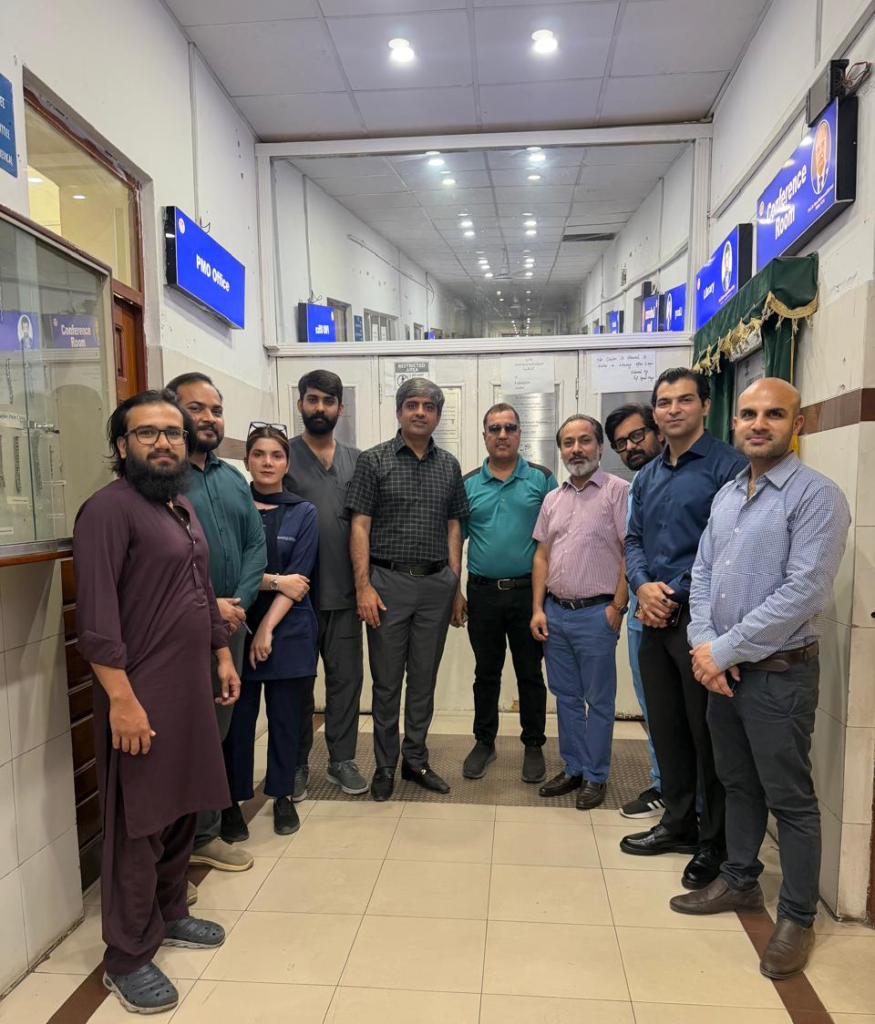
- A multidisciplinary spine surgery team
The procedure successfully restored spinal alignment while minimizing surgical risks.
Following surgery, the patient began mobilization on the first postoperative day and continues rehabilitation toward an active and healthy life.
This case highlights the importance of early diagnosis, appropriate surgical planning, and comprehensive postoperative care in achieving successful outcomes.
Lessons from This Case
Every scoliosis case is unique.
While not every child requires surgery, every child benefits from an early orthopedic evaluation.
Delayed diagnosis may increase the risk of:
- Progressive spinal deformity
- Reduced lung function in severe cases
- Cosmetic concerns
- Psychological effects
- More technically demanding surgery
Early assessment allows treatment decisions to be made before these complications develop.
Take-Home Message
Scoliosis is a treatable condition, especially when identified early.
Parents, schools, healthcare professionals, and communities should work together to ensure children with scoliosis are recognized and referred for specialist evaluation without delay.
Early screening saves spines, reduces disability, and improves lives.
By raising awareness today, we can help prevent disability tomorrow.
Frequently Asked Questions
Does every child diagnosed with scoliosis require surgery?
No. Many children can be managed successfully through observation, physiotherapy, or spinal bracing. Surgery is recommended only when the spinal curve progresses significantly or meets specific clinical criteria.
At what age should children be screened for scoliosis?
Screening is particularly important during school years and periods of rapid growth, when scoliosis is most likely to develop or progress.
Is scoliosis always painful?
No. Most children experience little or no pain during the early stages, making routine screening especially important.
When should parents consult an orthopedic spine specialist?
Parents should seek specialist evaluation if they notice uneven shoulders, an uneven waistline, leaning posture, rib prominence, or any visible spinal asymmetry.
About the Author
Dr. Zeeshan Ahmad Siddique
Orthopedic & Spine Surgeon
Department of Orthopaedic & Spine Surgery
Mayo Hospital Lahore
Dedicated to providing evidence-based orthopedic and spine care with a focus on early diagnosis, patient education, and advanced surgical treatment.
Clinical Note: This case has been shared for educational purposes. Patient privacy has been protected, and any clinical images are used with appropriate consent and anonymisation where applicable.
Leave a Reply